College Basketball
SEPTA Budget Cuts to Severely Impact Service to the South Philadelphia Sports Complex


Mike Lipinski has been covering Philadelphia sports since 2005. Previous stops include Section 247 Sports, My MMA News, and more. He has been a part of the Sports Talk Philly team since 2019. He is the editor of Philadelphia Phillies content, co-editor for college football covering mainly the Rutgers Scarlet Knights, and dabbles in all other sports. Follow him on social media channels -Twitter & Threads- @TheMikeLipinski
All posts by Mike LipinskiPublished15 Aug 2025
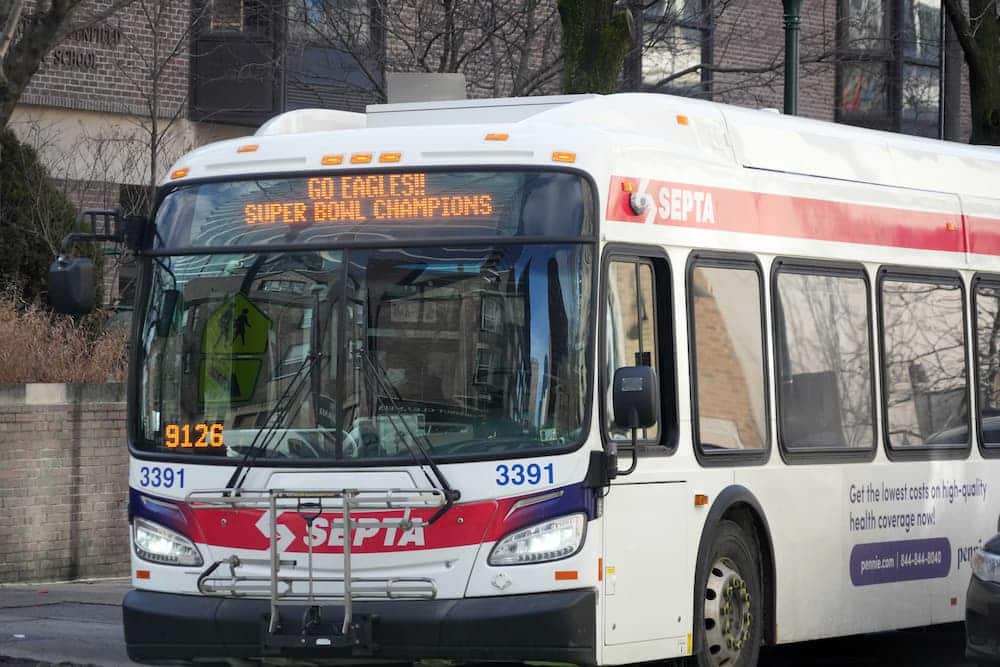
Fans heading to Phillies, Eagles, Flyers, and Sixers games — or any event at the South Philadelphia Sports Complex — will soon feel the impact of upcoming SEPTA service cuts. The transit agency confirmed in a statement provided to our own David Malandra, Jr. that starting August 24, a 20% reduction in Broad Street Line service will go into effect, with major consequences for game-day travel.
How will the @SEPTA cuts affect the South Philadelphia sports complex especially for night games with the #Eagles, #Phillies #Flyers & #Sixers
I got a Response from Septa#RingTheBell #FlyEaglesFly pic.twitter.com/MJjuKD2LiM
— David Malandra Jr (@DaveMReports) August 15, 2025
SEPTA will no longer run its popular Sports Express trains before events. Instead, service will be limited to the regularly scheduled trains — and those will be reduced by one-fifth. This means fewer options for fans looking to beat the pregame rush.
The bigger blow may come after games, especially during prime-time events like the Eagles’ home opener. SEPTA typically stages 9–10 trains at NRG Station to handle the crush of fans leaving the stadium area in the hour after a game ends, moving more than 10,000 people. Under the new cuts, that number will plummet to just 3–4 trains during that same window.
For night games, the challenge is even greater. Because the service day will end shortly after that one-hour postgame period, SEPTA says it will have to enforce a hard stop, halting trains even if crowds have not yet cleared. In the past, the agency would keep trains running until fans were on their way home.
These changes, tied to the agency’s budget constraints, will likely cause longer waits, more crowded trains, and increased traffic congestion as fans look for alternative ways to get to and from games.
With the South Philadelphia Sports Complex hosting hundreds of events each year, from sold-out playoff games to massive concerts, the reduction in service could ripple far beyond sports fans — affecting the city’s overall event-day experience