Combat Sports
UFC Pay Issues Take Center Stage Ahead of UFC on Paramount Debut


Mike Lipinski has been covering Philadelphia sports since 2005. Previous stops include Section 247 Sports, My MMA News, and more. He has been a part of the Sports Talk Philly team since 2019. He is the editor of Philadelphia Phillies content, co-editor for college football covering mainly the Rutgers Scarlet Knights, and dabbles in all other sports. Follow him on social media channels -Twitter & Threads- @TheMikeLipinski
All posts by Mike LipinskiPublished24 Jan 2026
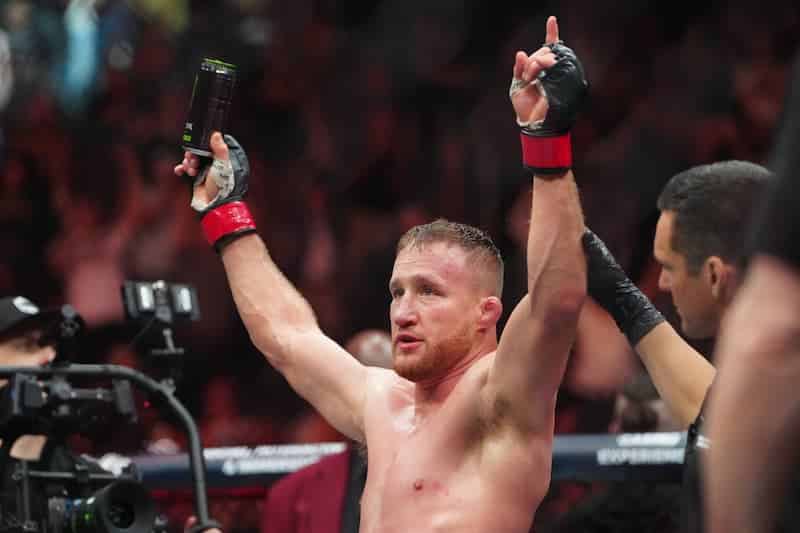
As the UFC prepares to enter a new broadcast era with its highly anticipated UFC on Paramount debut, fighter pay has once again become a talking point. While the promotion has emphasized growth, exposure, and long-term financial upside tied to its new media rights deal, several fighters — led most vocally by Justin Gaethje — are pushing back against claims that increased revenue is translating into increased compensation.
With the spotlight firmly on the first event of the Paramount era, the disconnect between UFC leadership and its athletes has never been more visible.
Gaethje Sparks the Pay Controversy
Justin Gaethje ignited the debate during media obligations ahead of UFC 324, flatly stating that he is not earning any additional money as a result of the UFC’s new deal with Paramount. Despite narratives suggesting fighters would benefit financially from the new broadcast agreement, Gaethje emphasized that his contract remains unchanged.
“I’m not getting one dollar more,” Gaethje said, pushing back on claims that top fighters were already seeing improved compensation. His comments resonated across the MMA community, particularly among fighters who have long questioned the UFC’s revenue-sharing model.
For many, Gaethje’s frustration underscored a broader issue: fighters were told the deal would be transformative, yet few have seen tangible proof at the individual level.
Dana White Pushes Back
UFC President Dana White responded quickly, disputing Gaethje’s characterization of events. According to White, Gaethje was offered more money, but either did not accept or failed to respond to the proposal. White maintained that opportunities for increased pay exist, particularly for top stars who generate viewership and revenue.
White also reiterated that the UFC’s business model rewards longevity, performance, and marketability, not guaranteed revenue sharing. However, critics argue that this explanation sidesteps the central issue: whether fighters receive a consistent, transparent share of the organization’s rapidly growing income.
The back-and-forth has only fueled skepticism among fighters and fans alike.
Bonus Structure Still Unclear
Another unresolved issue is post-fight bonuses. Historically set at $50,000, bonuses have not meaningfully increased in years, despite massive growth in UFC media rights, sponsorships, and global reach.
When asked whether bonuses would rise under the Paramount deal, White admitted he did not have a concrete number available. That lack of clarity has frustrated fighters, many of whom rely on bonuses as a significant portion of their annual income.
Without a formal announcement or structural change, fighters remain unsure whether the new era will offer more than just cosmetic changes.
The Paramount Shift Changes Everything
The move to Paramount marks a major shift away from the traditional pay-per-view-heavy model. With more events accessible via streaming subscriptions, questions have emerged about how fighters — especially former PPV headliners — will be compensated without buy-rate incentives.
While the UFC has framed the deal as expanding reach and stability, fighters accustomed to PPV upside worry that guaranteed salaries may not keep pace with the organization’s revenues.
The transition has amplified long-standing concerns about leverage and transparency in fighter contracts.
The Bigger Picture
At its core, the controversy isn’t about one fighter or one event. It’s about trust or a lack thereof.
Fighters were told the Paramount deal would usher in a new era of opportunity, but early signs suggest that financial gains are not yet reaching the roster in a meaningful way. Until the UFC clearly outlines how increased revenue translates to fighter pay, skepticism will remain, no matter how successful the broadcast debut appears on paper.
The UFC on Paramount era may be groundbreaking for fans, but for fighters, the fight for fair compensation is far from over.